
Sleep Stages
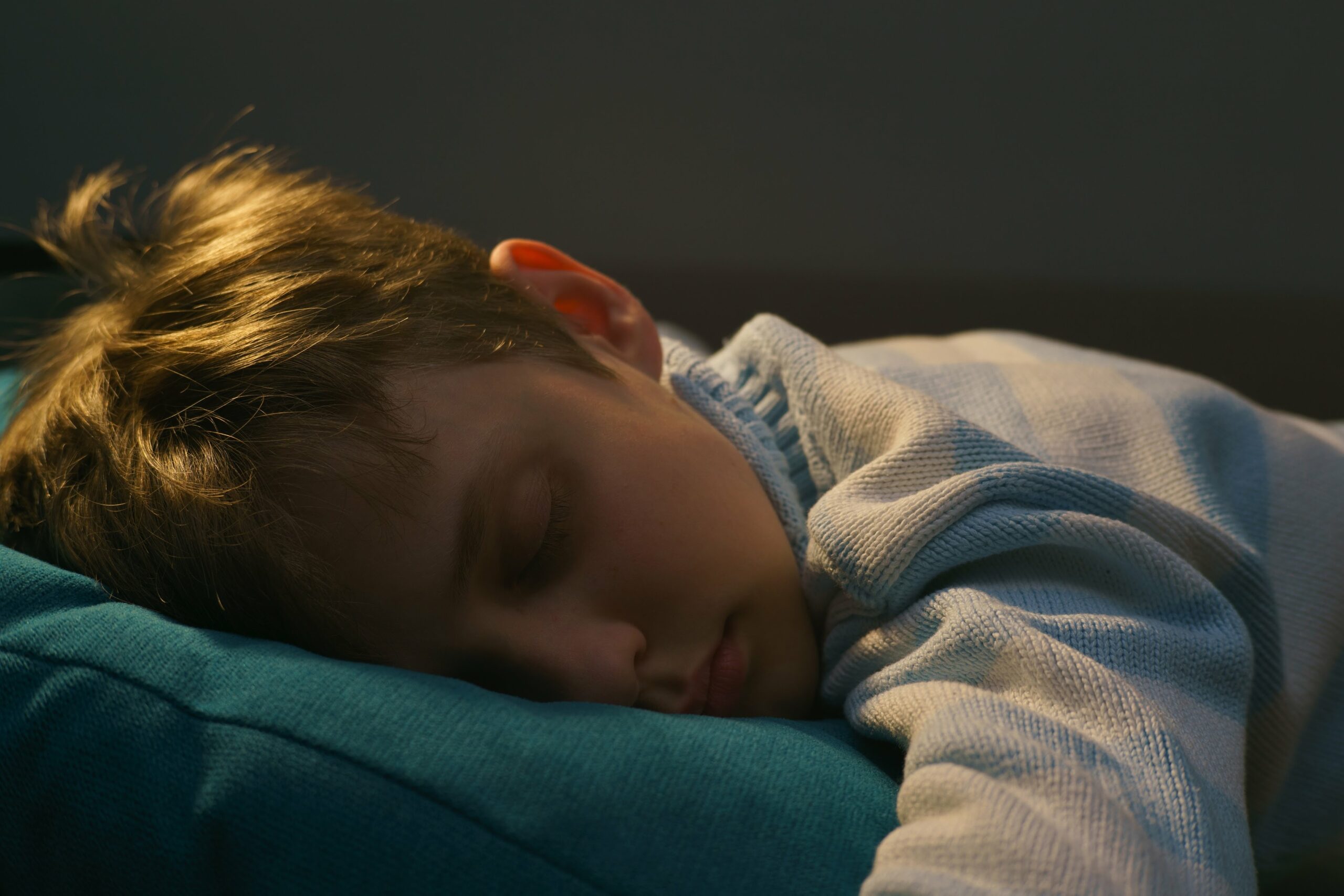
Different types of memories are formed in new learning situations; there is a relationship between the consolidation of different types of memories and the various stages of sleep.
Declarative memory – the knowledge of fact-based information, or “what” we know (for example, the capital of France, or what you had for dinner last night).
REM sleep is a stage of sleep in which dreaming occurs most frequently. Scientists hypothesized that REM sleep plays an essential role in the acquisition of learned material. Further studies have suggested that REM sleep seems to be involved in declarative memory processes, if the information is complex and emotionally charged, but probably not if the information is simple and emotionally neutral.
Researchers now hypothesize that slow-wave sleep (SWS), which is deep, restorative sleep, also plays a significant role in declarative memory, by processing and consolidating newly acquired information.
Sleep plays a major role in the ability to learn new tasks that require motor coordination and performance.
Research has also focused on sleep and its role in procedural memory—the remembering “how” to do something (for example, riding a bicycle or playing the piano). REM sleep seems to plays a critical role in the consolidation of procedural memory. Other aspects of sleep also play a role: motor learning seems to depend on the amount of lighter stages of sleep, while certain types of visual learning seem to depend on the amount and timing of both deep, slow-wave sleep (SWS) and REM sleep.
The Impact of Sleep Deprivation on Learning and Performance
Another area that researchers study is the impact that a lack of adequate sleep has on learning and memory.
When we are sleep deprived, our focus, attention, and vigilance drift, making it more difficult to receive information. Without adequate sleep and rest, over-worked neurons can no longer function to coordinate information properly, and we lose our ability to access previously learned information.
In addition, our interpretation of events may be affected. We lose our ability to make sound decisions because we can no longer accurately assess the situation, plan accordingly, and choose the correct behavior. Judgment becomes impaired.
Sleep stages and types of memory, game
· This game, to be played with up to 4 players, is based around the central premise of ‘Implant, pre-loading learning strategies’.
· The objective is for pupils to learn more around specific skills (i.e. new language acquisition) and on the necessary body language of learning a new physical activity, together
· It is based around the learning of a new memory, linked with a physical process – the refinement of body language and the uncovering of the refinement of a new learning acquisition
How it works
· The process begins by a visualization of new, uploaded memories (which are memorised as short exercises, before going to sleep).
· During sleep, a process is completed by which REM sleep is involved in a declarative memory process.
· In simplistic terms, new information is fed into the psyche, so the pupil will lie asleep, learning the new memory and the physical aspects to that new memory
· Pupils will (hopefully) feel in their sleep, seeing their body do the new physical moves or speaking the new language
· It is therefore, the combination of the new understanding, plus the new information during sleep, for the new memory and the associated physical aspects to that new memory.