
Memory Cognition
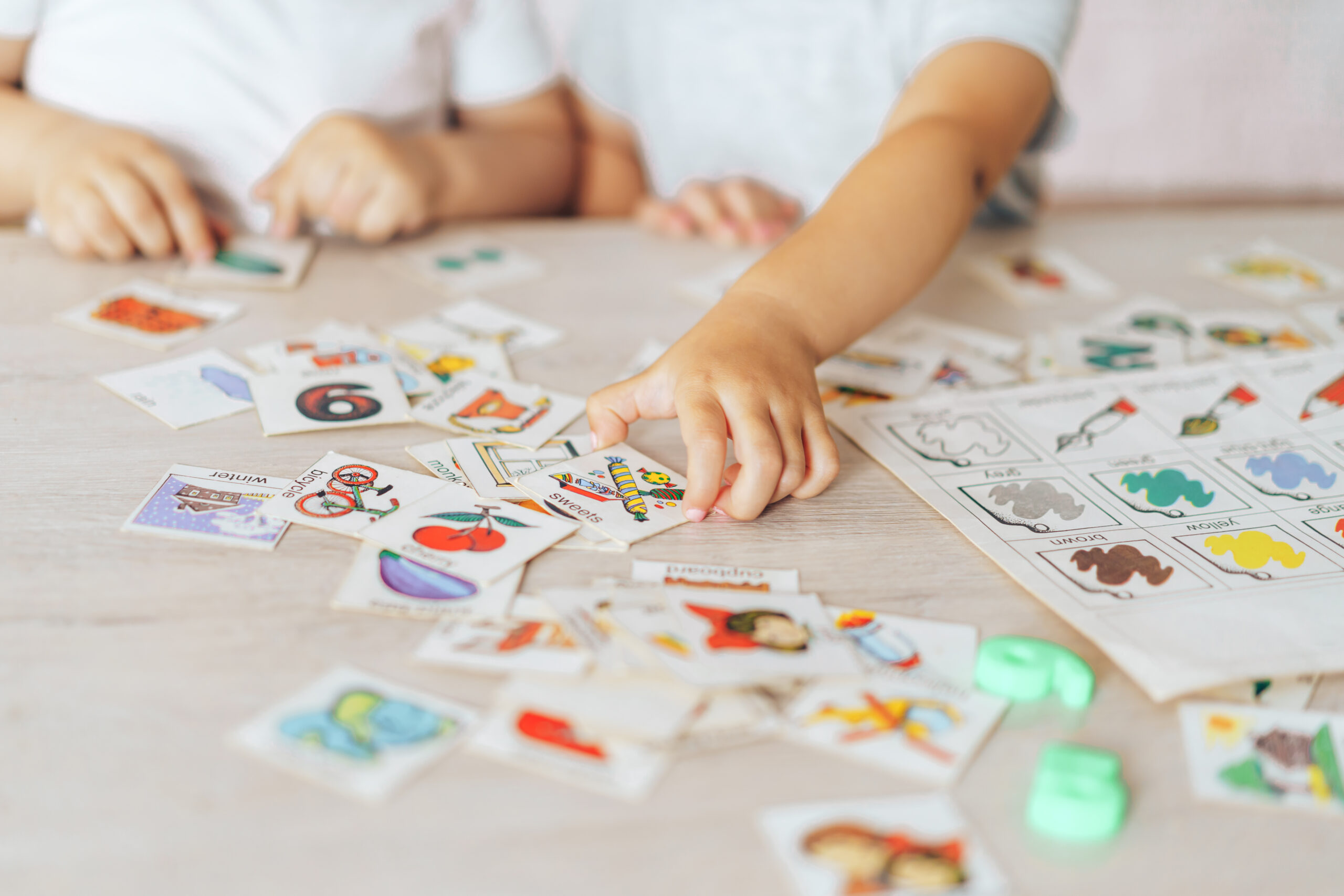
This learning service takes place at home, with parent supervision, and consists of three fundamental areas, on a specific curriculum subject.
These are:
1. Interleaving – instead of practicing one skill at a time (i.e. AAABBBCCC), interleaving mixes practice on several related skills together (i.e. ABCABCABC).
Pupils switch between ideas during a study session and go back over the ideas again, in a different order.
2. Retrieval Practice – devoting some of the learning period to retrieving the to-be-remembered information through testing it with essential feedback.
Pupils answer questions to strengthen memory, from passive learning to active learning.
3. Elaboration – pupils use strategies that enhance the information of the learning material, in order to increase the pupil’s relation to other information, the pupil already knows.
The basis of this is focussed around encoding the original content in a different but related way.
The objective is to provide exercises, in order to awaken and stimulate learning, for during waking time.
This is based on conditioning the brain into a higher state, for new learning activities, whilst asleep.
Pupils will build a stepped ladder of learning, over a 6 week period, using a combination of specific exercises and listening tools.
Using outside stimuli, translated into a response in the brain (controlled electrical inputs).
The brain exploration series we have available, is open to pupils at primary or secondary school level, in a once a week package of a pupil’s goals and values, in relation to oneself and others.
These activities involve complex higher functions, such as:
· Reasoning
· Abstraction
· Concept formation
· Interpretation of symbols
The purpose of pupils undertaking these activities, is that these areas are closely related to basic emotions, such as: fear, anger, attachment, ambition, judgement, motivation, regulation of behaviour and social consciousness.
They form the basis of parents understanding the areas of their child’s personality, that is not always revealed at school through scholastic and academic tests.