
Introduction to Sleep Learning
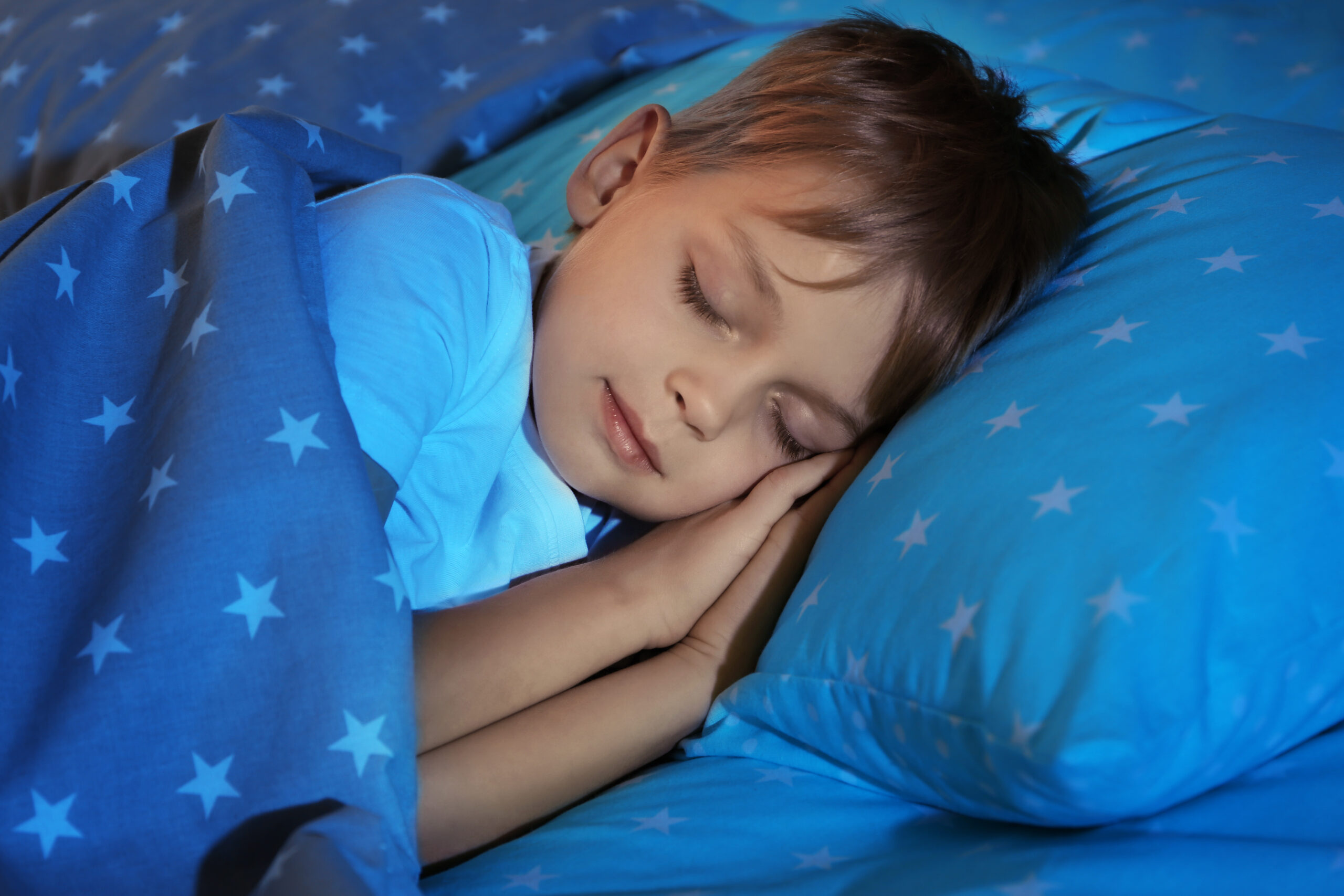
We often think of sleep as downtime. It’s anything but.
What we have found in our studies, is that the sleeping brain can actually encode new information and store it for long term. Even more, the sleeping brain is able to make new associations.
More importantly, sleep also seems to reorganize memories.
During certain stages of sleep, the brain replays memories in fast-forward: neurons responsible for storing memories re-activate again as a network, essentially teaching the brain to remember. This replay action seems to help us formalize important learnings and life experiences into more permanent storage in our brains. Meanwhile, tangential memories—perhaps those that didn’t warrant much attention in the first place—are erased, in order to open up more room for storage.
‘Slow-wave’ or deep sleep has been recognised for some time as critical for memory consolidation – the stabilisation of memory from short-term to long-term. During slow-wave sleep, which tends to happen during the first half of the night, the firing of our brain cells is highly synchronised. Our brains alternate between two phases approximately every half second — active phases or “up-states” and passive phases, also known as “down-states”.
Sleep learning is mostly limited at this time, to making subconscious associations, like pairing scents with images.
As a company, we can offer a guide to exercises that are done before going to sleep and that allow the child to improve their concentration, learn a new language, and improve in mathematics, among others.
Exercises include:
· Mental retrieval
· Number cognition
· Mental Photographs
· Sounds in the two hemispheres of the brain